Showing posts with label Alpha. Show all posts

Tuesday, 6 June 2017

B Vitamins Alpha Lipoic Acid and other Nutrients for Neuropathy


There have been other posts on the blog (see alphabetical list on the right) about both Alpha Lipoic Acid and nutrients in general which may or may not help with neuropathy. Today's post comes from MDJunction (see link below) and is an excellent account, though without any indication of the writer's qualifications. That said, she says nothing that isn't found on most related sites on the Web (and provides more detail than most) and that may, in your opinion, be verification enough.
The general concensus from neurologists is that they support B-Vitamins and both Alpha Lipoic Acid and Acetyl-L Carnitine as supplements which may improve neuropathic problems but you should be aware that neither is cheap and in most countries, neither is covered by any sort of insurance policy. If the case is proved, it seems unfair to discriminate on the basis of who can and who can't afford a treatment but that's a whole other story!
Also, always take extra B-vitamins with advice from your doctor - it's easy to create an imbalance in your body and cause more harm than good.
If you decide to try supplements, (after consultation with your doctor) shopping around on the Net may help reduce costs.


Peripheral Neuropathy- Nutrients
Jackie
Mar 23 2011


Neuropathy: Nutrient Therapies

Although there has been virtually no research on the use of nutrient therapies for HIV-related neuropathies, there has been a fair amount of research (mostly in other countries) on their use for diabetic neuropathies. Since it appears likely that at least some of the mechanisms for the nerve damage may be similar in the two diseases (inflammation and oxidative damage to the nerves combined with B vitamin deficiencies), there is reason to believe that therapies which have proven useful for diabetics may also work for at least some people living with HIV who develop neuropathy. Many people living with HIV have reported to me that they have successfully eliminated neuropathy with some combination of the nutrient therapies discussed here. Thus, in addition to the other treatments mentioned, I would stress the importance of therapy with the B vitamins and other nutrients, especially acetyl-L-carnitine, gamma-linolenic acid, alpha-lipoic acid, magnesium, and chromium. I would definitely consider including the nutrients that have been shown to help rebuild the myelin sheath around nerves and/or improve nerve functioning such as choline, inositol, gamma linolenic acid, B6, B12, niacin, thiamine, biotin, folic acid, and magnesium.

Biotin, choline, inositol, and thiamine are B vitamins that have all been found useful in treating the peripheral and autonomic neuropathies found in diabetes and may also help with HIV-related neuropathies. In a study at the University of Athens, it was shown that regular, long-term use of biotin in diabetics was very effective both for improvement in nerve conduction and relief of pain. Improvement in nerve conduction occurred after only 4-8 weeks of therapy. In this study, biotin was given via daily intramuscular injection (10 mg/day) for 6 weeks; then 3 times per week (10 mg), intramuscularly, for 6 weeks; then 5 mg/day taken orally for up to two years. The researchers hypothesize that deficiency, inactivity, or unavailability of biotin in diabetics may result in disordered activity of the biotin-dependent enzyme, pyruvate carboxylase, leading to an accumulation of pyruvate and/or a depletion of aspartate, either of which could adversely affect nervous system metabolism. There are a number of reasons why HIV-positive persons may be deficient in biotin and, thus, potentially at risk for a similar problem. It has been suggested that those with neuropathy symptoms might try 10-15 mg/day orally, taken in conjunction with the other B vitamins found useful for improving nerve function.

B12 deficiency is a known cause of neuropathy so this vitamin, along with its coworker folic acid, should certainly be included in any program aimed at eliminating this symptom. Typical symptoms of peripheral neuropathy related to B12 deficiency include the type of leg and foot pains experienced by many. B6 deficiencies are also known to cause both carpal tunnel syndrome (with symptoms of numbness, tingling, and pain in the hands and wrists) and degeneration of peripheral nerves and may be responsible for some peripheral neuropathy problems.

Choline and inositol also seem to be very important parts of the combination of vitamins needed for neuropathy resolution. Diabetic neuropathy is known to be associated with a reduction in myo-inositol levels in nerves and tissues. The decreased level of myo-inositol is believed to cause a decrease in the activity of the sodium-potassium pump and, thus, to change the sodium permeability of nerves. Both diets high in inositol and inositol supplementation have been shown to improve diabetic neuropathy. Researchers at the University of Alabama found a statistically significant improvement in nerve function in diabetics placed on a diet high in inositol. Included in the diet were high-inositol foods such as cantaloupe, peanuts, grapefruit, and whole grains. Other researchers have reported that supplementation with inositol in doses of 2-6 grams per day has resulted in improvements in neuropathy. Robert Atkins, M.D., has reported his successful use of 2-6 grams per day for reversing diabetic neuropathy, and notes that physicians at St. James Hospital in Leeds, England, have reported good results with even smaller dosages.

In addition to the use of inositol itself, treatment with acetyl-L-carnitine can help raise nerve myo-inositol content. Florida researchers have found that peripheral nerve function in diabetes is linked to nerve myo-inositol content and that acetyl-l-carnitine can raise the levels of myo-inositol in the nerves of animals with experimentally induced diabetes. It also apparently protects the nerve membranes from free-radical damage, as evidenced by reduced malondialdehyde levels in the animals treated with acetyl-l- carnitine.

Thiamine has also been seen to be useful in treating diabetic neuropathy. Stanley Mirski, M.D., has reported that a large percentage of his diabetic patients who suffer from neuropathy have achieved improvements with daily thiamine supplementation in doses of 50-100 mg. Using a fat-soluble form of thiamine such as thiamine tetrahydro-furfuryl disulfide may be preferable because of the relatively poor absorption of water-soluble forms of this vitamin. This type is contained in Cardiovascular Research's Allithiamine. A large number of HIV-positive people have reported to me their successful elimination of neuropathy with the combined use of the B vitamins discussed here. The information on acetyl-l- carnitine is too recent for much in the way of anecdotal reports to have surfaced, but it might be an important addition to improve the chances for successful elimination of neuropathy.

Alpha-lipoic acid has long been used in Europe for the treatment of peripheral neuropathy in diabetics. A number of controlled clinical trials have shown its usefulness for reducing both the pain and numbness suffered by those with diabetic neuropathy, and its use for this condition is approved in Germany. Its antioxidant properties may help protect the nerves from the inflammation and oxidative damage that HIV induces, as has been shown to be true with diabetic neuropathy. Because of its liver protective and antioxidant benefits, it has been included as a component of the programs of many of my clients for several years now. It may have contributed to the success of the neuropathy elimination programs some of them have used.

Gamma linolenic acid is an essential fatty acid found in borage oil, grape seed oil, black currant oil, and evening primrose oil that has been shown to be successful in reversing nerve damage in diabetics suffering from peripheral neuropathy. In a double-blind, placebo-controlled study using 480 mg of GLA daily, all the diabetics given the fatty acid experienced gradual reversal of nerve damage and improvement in the symptoms related to the peripheral neuropathy, while those on placebo gradually worsened. It is thought that GLA may help to rebuild the myelin sheath around the nerves, thus restoring proper nerve conduction.

Magnesium is also known to be necessary for nerve conduction; deficiency is known to cause peripheral neuropathy symptoms. Thus, including optimal amounts of magnesium might contribute to elimination of neuropathy. There have also been reports of chromium deficiency causing peripheral neuropathy. I learned this too recently for chromium to have been included in most of the neuropathy therapy programs used by my clients in the past and, thus, I'm not sure what it might contribute. However, chronic infection is known to deplete body stores of chromium, so adding a dose of perhaps 200-400 mcg/day to a complete nutrient protocol might be reasonable.

In addition to all the nutrient supplements, an analysis of data coming out of the Immune Enhancement Program in Portland, Oregon, appears to show that their program, which includes Chinese herbs along with acupuncture and various other therapeutic approaches, results in improvement in neuropathy for some.

If you are considering supplementation with any of the B vitamins discussed above, never forget that although B vitamins are by and large non-toxic, any individual B vitamin should always be taken along with the full B complex to prevent imbalance in the body. Long-term use of very high doses of individual B vitamins taken alone, without the rest of the B complex, can induce imbalances or deficiencies in other B vitamins.

About Alpha Lipoic Acid

Alpha-lipoic acid (ALA), also known as lipoic acid (or thioctic acid), is a sulfur-containing fatty acid found inside every cell of the human body. The main function of alpha-lipoic acid is to generate the energy required to keep living organisms alive and functioning. Lipoic acid plays a key role in a variety vital energy-producing reactions in the body that turn glucose (blood sugar) into energy.

Alpha-lipoic acid is a potent biological antioxidant that has been shown to slow the oxidative damage in cells, and in many cases stabilize or even reverse cell damage. Alpha-lipoic acid is so effective as an anti-oxidant because it works on both water and fat-soluble free radicals that cause oxidation and cell damage in the body. Notwithstanding its popularity, the exact mechanism responsible for the medicinal affects of alpha-lipoic acid is still not fully understood.

Some research suggests that certain nerve diseases may occur as a result of free radical damage. Since alpha-lipoic acid can reach all parts of a nerve cell it can potentially protect nerve cells against such damage. This is the rationale behind studies on the potential benefits of alpha-lipoic acid for diabetic neuropathy.

Experimental studies show that alpha-lipoic acid may exhibit a renal protective effect in individuals with diabetes. Alpha-lipoic acid increases glucose uptake in the cells and appears to reduce symptoms of diabetic complications including cataract formation, vascular damage, and polyneuropathy (nerve damage). A study published in Diabetic Medicine in 1999 showed that patients treated with 600 mg of ALA 3 times daily for 3 weeks had improvement of diabetic symptoms from polyneuropathy. In another study using 600 to 1,800 mg of ALA daily, individuals treated showed improved insulin sensitivity. Most studies supporting the use of alpha-lipoic acid to reduce symptoms of diabetic peripheral neuropathy employed intravenous alpha-lipoic. Evidence for the use of oral lipoic acid, in connection with diabetes remains weak and contradictory.

Another group of nerve cells in diabetics, the autonomic nerves, which control the function of internal organs, may also become damaged. When this same phenomenon occurs in the heart, a condition known as cardiac autonomic neuropathy, it leads to irregularities of heart rhythm. There is some evidence that alpha-lipoic acid may be helpful for this condition.

Some in the scientific community believe that alpha-lipoic acid can actually reverse the damage in aging cells of the brain. Alpha lipoic acid has also been used both in oral and topical forms as a way for keeping skin healthy and young in appearance. There have been studies documented in medical literature indicating that supplemental ALA may even be beneficial in patients with glaucoma.

NutritionalTree.com is a great consumer resource that collects user reviews for alpha lipoic acid products.

Dosage

The common dosage of alpha-lipoic acid for complications of diabetes is 100 to 200 mg three times daily. In studies that found benefit of supplementing with alpha-lipoic acid, several weeks of treatment were often necessary for effects to develop. However, some studies have indicated as much as 600-1,800 mg per day of alpha-lipoic acid for optimal benefit in people with specific health concerns such as diabetes, liver cirrhosis and atherosclerosis.

If you are healthy and want to promote optimal health, a dose of 30 - 300 mg per day may be sufficient.

Lipoic acid appears to have no significant side effects at dosages up to 1,800 mg daily.

http://www.mdjunction.com/diary/jackies-journey-back-to-health/peripheral-neuropathy-nutrients

Saturday, 18 March 2017

Alpha Lipoic Acid


(...Treatments 6)

One of the buzzword possibilities regarding neuropathy treatment at the moment is Alpha Lipoic Acid and many people are heading to their health food or supplement shops, or logging on to the Internet, to spend quite significant amounts of money on this co-enzyme but do you really understand what it is and why you would take it? This post is an attempt to give Alpha Lipoic Acid an identity that everybody can understand.
What is it?
Alpha lipoic acid or thiotic acid is a nutrient that is produced in tiny amounts by the human body. It plays a role in the conversion of sugar
to energy. Alpha lipoic acid is also a powerful antioxidant.
Many of the body’s functions rely on a series of reactions called oxidation. Molecules called free radicals are a natural by-product of oxidation.Free radicals can damage the body in much the same way that rust damages a car. To prevent damage, antioxidants like vitamins C and E can
counter the effects of free radicals. In order to protect itself, the body also manufactures a substance called glutathione, which is found in
cell membranes. Study results suggest that people living with HIV (PHA) have lower levels of glutathione and higher levels of free
radicals than HIV-negative people.

Alpha-lipoic acid is a small molecule with chemical properties that allow it to pass easily in and out of cells. It can capture free radicals
directly or by removing them from other antioxidants like vitamins C and E. By doing so, alpha-lipoic is in effect able to “recharge” or
“recycle” thse vitamins. Studies, including one very small German study involving ten HIV positive men, have shown that alpha-lipoic acid
can also recycle glutathione, which may help improve the body’s own antioxidant defences.
Its antioxidant properties may help protect the nerves from the inflammation and oxidative damage that HIV induces, as has been shown to be true with diabetic neuropathy.

Clinical trials in both humans and animals suggest that alpha-lipoic acid is an effective treatment for diabetic neuropathy but it is unclear whether it is more effective than other, cheaper antioxidants. One study of 80 people with diabetic neuropathy tested three different antioxidants: vitamin C, selenium and alpha-lipoic acid. All three treatments improved neuropathy symptoms but none was clearly superior. No study using
alpha- lipoic acid to treat HIV-related neuropathy has been done.

Also a recent study using orally administered alpha lipoic acid found that 600 mg once a day caused a marked reduction in the symptoms of diabetic neuropathy including stabbing pain, burning pain, paresthesia, and asleep numbness of the feet. Benfotiamine is a lipid soluble form of thiamine that has several placebo controlled double blind trials proving efficacy in treating neuropathy and various other diabetic comorbidities. 400 mg a day was the most commonly studied dose.

In a Russian trial, half of the patients received five treatments a week consisting of 600 mg of alpha lipoic acid in intravenous form, while the others got a placebo. In just 2½ weeks, the alpha lipoic acid patients reported -- and the researchers noted in examinations -- dramatic improvements in symptoms, including a six-point drop in pain levels on a10-point scale. "But it didn't act only as a pain medication," says researcher and Mayo Clinic neurologist Peter Dyck, MD. "Alpha lipoic acid seems to actually change the metabolism of the nerve or blood supply to the nerve, and we noted some relief in symptoms."

His study, reported in the March issue of Diabetes Care, involved 120 patients with the most common form of diabetic neuropathy, which causes pain, numbness, and a burning sensation and often leads to foot problems.

Recently, Dr. Dan Ziegler and Dr. F. Arnold Gries at Heinrich Heine University in Dusselfdorf had more exciting news to report about lipoic acid. They found that treatment with lipoic acid actually stimulated the regeneration of nerve fibers in diabetics. In less than three weeks of treatments, patients taking 600mg of lipoic acid daily experienced a significant reduction in pain and numbness associated with neuropathy.

There are two forms of alpha lipoic acid. R-ALA is the form found naturally occurring within the body and is the biologically active form of alpha lipoic acid. S-ALA is the unnatural, synthetic by product created during the production of alpha lipoic acid. Nobody sells S-ALA by itself as it isn’t very effective, but you will get S-ALA anytime you purchase ALA. The ALA you buy from nutrition stores is in reality a 70/30 mixture of S-ALA & R-ALA. (though they won’t tell you that…) Most companies don’t go through the complicated and expensive process required to purify and remove the synthetic S-ALA from their products. Be aware that unless the bottle specifically states 100% R-ALA, you are only getting a 70/30 blend. It is important for you to know that R-ALA has been shown time an time again to be up to 12 times as effective as S-ALA. There have been many studies, doctors and researchers who have stated how much more effective R-ALA is.

R-Lipoic acid is the only form of lipoic acid that your body synthesizes and can safely metabolize R-Lipoic acid is the only form of lipoic acid that is proven to significantly reduce inflammation, an underlying cause of aging. R-Lipoic acid is the only form of lipoic acid that is proven to significantly increase your cellular and mitochondrial antioxidant activity for preventing mitochondrial decay. This effectively attenuates the reported increase in oxidative stress with aging. R-Lipoic acid is the only form of lipoic acid that is proven to improve memory, reduce brain damage, reverse cognitive dysfunction, and protect the brain from neuro degeneration associated with aging. R-Lipoic acid is the only form of lipoic acid that is been proven to significantly increase insulin sensitivity, enhance glucose transport, increase metabolic rate and reduce the gain in body fat from aging. R-Lipoicacid is the only form of lipoic acid that is proven to protect body fats against oxidative damage, chelate harmful metals and reverse stress damage in your heart. R-Lipoic acid is the only form of Lipoic that is proven to significantly increase or maintain levels of other antioxidants including Coenzyme Q10, vitamin C, vitamin E and glutathione. R-Lipoic acid is the only form of Lipoic acid that is proven to expand total life span.

You can see from all this that it seems to be a 'good thing' but the good publicity is certainly helped by its multi-purpose use for HIV patients; not just for how it helps with neuropathy. In short, besides tackling neuropathy, it also helps to protect the liver; helps to treat Lipodystrophy; helps to prevent and treat HIV-related dementia and is claimed to slow down HIV replication (but claims are not evidence).

Available forms:

Alpha-lipoic acid is sold in capsules and tablets primarily in health-food stores. The dose usually recommended for HIV-positive people is 300 mg a day, but some PHAs take up to 600 mg daily (and more). Alpha-lipoic acid may reduce the amount of minerals, including iron, in the body
through a process called chelation. Many nutritionists recommend therefore that alpha lipoic acid be taken with a multi-vitamin containing minerals. A multivitamine and alpha lipoic acid can be taken at the same time if
desired!
The main problem is the cost - it's not cheap and it's generally not covered by insurance (in Germany, yes).

What to watch out for:

Alpha-lipoic acid has virtually no side effects. According to one report, alpha-lipoic acid could reduce platelet levels (cells that contribute to
blood clotting), but this finding has not been confirmed in other studies. Skin rash has been reported in a few people taking more than 600mg daily. Because alpha-lipoic acid affects the way insulin behaves in the body, insulin dependent diabetics may need to adjust their insulin dose in order to take this supplement.

All in all, everything points to the fact that it should be considered as a treatment option for peripheral neuropathy but we really need much larger trials and bodies of evidence because in general, the medical authorities need convincing - the word 'supplement' itself frequently causes specialists to cross themselves and take sharp intakes of breath. Only evidence can effect change.
Because of cost issues and the vast amount of choice on the shelves of supplement shops, please make sure that you are getting good value for money. Read the small print (not always easy) to check exactly how much R-ALA you are getting in your 600 gm (or whatever) - if it says 300mg R-ALA and 300mg S-ALA then you are only getting 300mg of the effective ingredient even though it says 600mg on the package. The higher the R-ALA, the better in general.Most reputable health food shops will offer unbiased advice if asked.

Read also, the next post on Acetyl _L Carnitine - the two are frequently joined together in one pil or capsule as effective antioxidant treatment.

Saturday, 22 October 2016

Alpha Lipoic Acid One Of The Best Supplements For Neuropathy


Today's comprehensive post comes from a body-building site called truemuscle.com (see link below) but the information it provides could be of direct benefit for neuropathy patients too. Many people living with neuropathy regularly take Alpha Lipoic Acid (often alongside Acetyl L Carnitine) because they've been told/advised, or have heard that it can help with the symptoms but I'd like to bet that very few people know exactly what it is, how it works and how much to safely take. This article may be from an unexpected source but all the information you need about this anti-oxidant is here and easily digestible. You'd be surprised how many other aspects of your life it can benefit too. However, it's best to discuss this with your doctor and do your own research too and remember, just as with all treatments for neuropathy...what works for one, doesn't necessarily work for another. Just as important is the cost: a dose of 400 to 600 mg a day is not cheap!

Alpha Lipoic Acid

Description:

What is it about foods like broccoli and spinach that make them so healthy? There’s the fiber, vitamins and minerals, of course, but then there’s other important chemical compounds we call “antioxidants” too — like alpha lipoic acid (ALA).

Chances are you’ve heard a lot about the many benefits of various antioxidants and Alpha Lipoic Acid — fighting inflammation, helping beat cancer or heart disease, warding off depression and cognitive decline, and so much more — but have you ever wondered what exactly antioxidants are and how they work in the body?

Alpha lipoic acid — one kind of antioxidant — is a type of compound found in plant foods we commonly eat that scavenges free radicals, fights inflammation and slows the aging process. But perhaps its most famous use is in Alpha Lipoic Acid.

Humans also make a small amount of ALA on their own, although the concentration in our bloodstreams goes up substantially when we eat a healthy diet. Naturally abundant in foods like green veggies, potatoes and certain types of yeast, lipoic acid is similar to a vitamin in that it can also be man-made in a lab so it can be taken as an anti-inflammatory supplement (which is then called alpha lipoic acid).


How Alpha Lipoic Acid Works

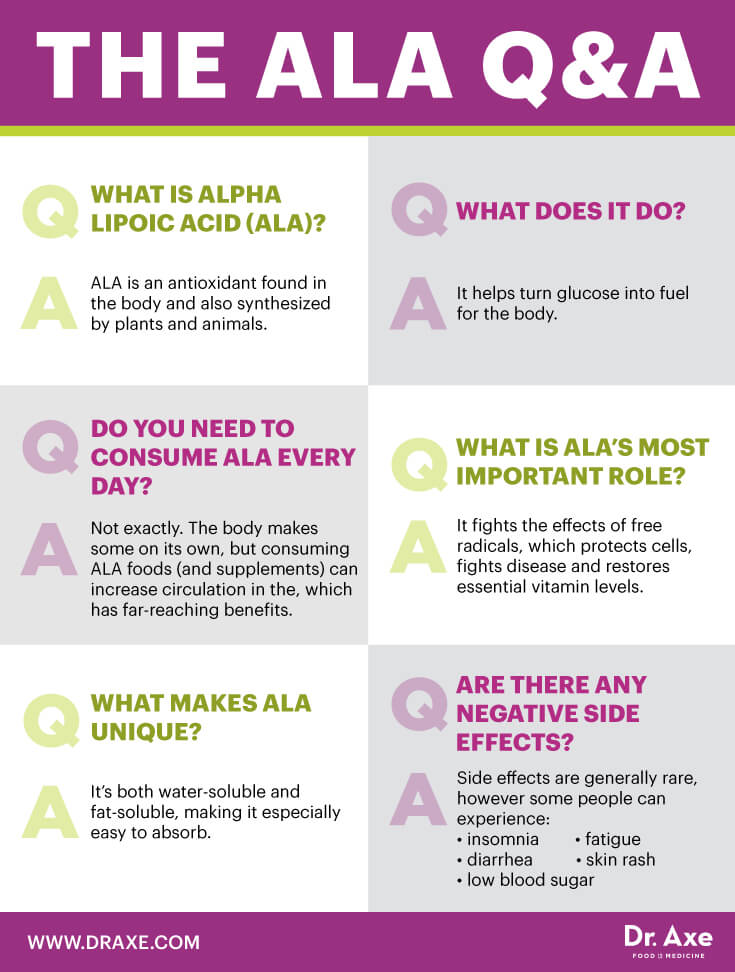
Lipoic acid is found in the body and also synthesized by plants and animals. It’s present in every cell inside the body and helps turn glucose into “fuel” for the body to run off of. Is it “essential” that you consume a certain doseage of alpha lipoic acid every day? Not exactly.

Even though we can make some of it on our own without supplements or outside food sources (which is why it’s not considered an “essential nutrient”), eating an antioxidant-packed diet plus potentially using ALA supplements can increase the amount circulating in the body, with studies show has far-reaching benefits. (1)

ALA’s most valuable role in the body is fighting the effects of free radicals which are dangerous chemical-reaction byproducts that form during the process of oxidation. Within our cells, ALA is converted into dihydrolipoic acid, which has protective effects over normal cellular reactions.

As oxidation takes place in the body over time — due to normal chemical reactions like eating or moving, but also from exposure to environmental pollutants and toxins — certain compounds can become very reactive and damage cells. At times, this causes abnormal cells to grow and multiply, or it can have other effects like slowing metabolic efficiency and changing neuron signaling.

Like other antioxidants, alpha lipoic acid can help slow down cellular damage that is one of the root causes of diseases like cancer, heart disease and diabetes. It also works in the body to restore essential vitamin levels, such as vitamin E and vitamin C, along with helping the body digest and utilize carbohydrate molecules while turning them into usable energy. (2)

In addition, alpha lipoic acid works like a synergist with B vitamins, which are needed for turning all macronutrients (this link doesn't appear on the original site any more - see alternative link here Ed.) from food into energy. And it’s synthesized and bound to protein molecules, making it act as a cofactor for several important mitochondrial enzymes. (3)

Something that makes ALA unique is that it’s both water-soluble and fat-soluble, unlike other nutrients (like B vitamins or vitamin A, C, D or E), which can only be properly absorbed with either one or the other. (4) There’s some evidence that ALA is acts as a “heavy metal chelator,” binding to metals (also called “toxins”) in the body, including mercury, arsenic, iron and other forms of free radicals that make their way into the bloodstream through water, air, chemical products and the food supply.

Finally (as if this wasn’t enough!), alpha lipoic acid can increase how the body uses a very important antioxidant known as glutathione and it might increase energy metabolism too — which is why some athletes use ALA supplements for enhanced physical performance.


5 Alpha Lipoic Acid Health Benefits

Because it acts like an antidote to oxidative stress and inflammation, alpha lipoic acid seems to fight damage done to the blood vessels, brain, neurons, and organs like the heart or liver. This mean it offers numerous benefits throughout the whole body, from naturally treating Alzheimer’s disease to controlling liver disease.

Because ALA isn’t an official essential nutrient, there hasn’t been an established daily recommendation needed to prevent a deficiency. However, being low in antioxidants in general can speed up in the aging process, resulting in symptoms like a weakened immune function, decreased muscle mass, cardiovascular problems and memory problems.

Here are five ways that including more alpha lipoic acid in your diet (and for some people taking supplements too) can help keep you feeling young and healthy:

1. Fights Diabetes and Diabetic Complications

Because alpha lipoic acid can protect cells and neurons involved in hormone production, one benefit is it offers protection against diabetes. ALA is considered an effective drug in the treatment of diabetic distal sensory-motor neuropathy, which affects about 50 percent of people with diabetes. (5) In dietary supplement form, ALA seems to help improve insulin sensitivity and might also offer protection against metabolic syndrome — a term given to a cluster of conditions like high blood pressure, cholesterol and body weight. Some evidence also shows that it can help lower blood sugar levels.

ALA is used to help relieve complications and symptoms of diabetes caused by nerve damage, including numbness in the legs and arms, cardiovascular problems, eye-related disorders, pain, and swelling. That’s why it should be part of any diabetic diet plan to treat this common disorder. People who experience peripheral neuropathy as a side effect of diabetes can find relief from pain, burning, itching, tingling and numbness using ALA, although most studies show that high doses in IV form are most effective as opposed to eating ALA-rich foods.

A major benefit of alpha lipoic supplementation in diabetics is the lowered risk for neuropathic complications that affect the heart, since around 25 percent of people with diabetes develop cardiovascular autonomic neuropathy (CAN). CAN is characterized by reduced heart rate variability and is associated with an increased risk of mortality in people with diabetes. Research suggests that supplementing with 600 milligrams a day of ALA (or “LA” as it is sometimes called) for three weeks significantly reduces the symptoms of diabetic peripheral neuropathy, although some doctors choose to use doses up to 1,800 milligrams a day safely in their patients under supervision.

2. Preserves Eye Health


Oxidative stress can damage nerves in the eyes and cause vision problems, especially in people with diabetes or older adults. Alpha lipoic acid has been used successfully to help control symptoms of eye-related disorders, including vision loss, macular degeneration, retina damage, cataracts, glaucoma and Wilson’s disease.

Results from certain studies demonstrate that long-term use of alphalipoic acid has beneficial effects on the development of retinopathy since it halts oxidative damage that can result in modified DNA in the retina. (6) As people age, their vision becomes much more compromised, which is why it’s important to eat a nutrient-dense diet well before old age to prevent degeneration of eye tissue or vision loss early on.


3. Prevents Memory Loss and Cognitive Decline

We know that a nutrient-dense diet filled with various colorful “brain foods” helps protect memory. Some health care professionals use alpha lipoic acid supplements to further help prevent their patients from experiencing neuron damage, memory loss, motor impairment and changes in cognitive functioning because of it antioxidant activity. ALA seems to easily make its way into the brain by passing the blood-brain barrier, where it can protect delicate brain and nerve tissue. It’s also used to prevent strokes and other brain problems, including dementia in older adults.

Recent experiments using rats have shown that ALA can help reverse the damage in aging cells of the brain, improve performance in memory tasks, lower oxidative damage and improve mitochondrial function, although we still don’t know how well these benefits can apply to aging humans. (7)

4. Helps Boost Glutathione


Glutathione is considered the “master antioxidant” by many experts, since it’s crucial for immunity, cellular health and disease prevention. Some studies have found that 300–1,200 milligrams of alpha lipoic acid helps increase the ability of glutathione to regulate the body’s immune response and fight off diseases like diabetes/insulin resistance or even HIV/AIDS. (8) In adults, supplementation with alpha lipoic acid seems to positively impact patients with immune deficiency syndromes and serious viruses by restoring blood total glutathione levels and improving functional reactivity of lymphocytes to T-cell mitogens.

5. Might Help Protect Skin from Damage


When it comes to battling physical signs of aging on the skin, certain studies have found that topical treatment creams containing 5 percent alpha lipoic acid can help reduce fine lines caused by exposure to sun ways. Skin damage is one side effect of high amounts of free radicals, which is why antioxidant-packed fruits and veggies are said to keep you looking young.


How Much Do We Need? Plus Best Sources of Alpha Lipoic Acid

The best way to get any nutrients is ideally through real food sources, since this is how your body knows how to absorb and use various chemicals best. ALA is found in many different plant and animal sources, since it’s bound to protein molecules (especiallylysine).

The concentration of ALA in different foods can vary widely depending on where they’re grown, the quality of the soil, how fresh they are and how they’re prepared, so it’s hard to quantify how much is in each type of food. There hasn’t been much research done to draw conclusions about how much ALA is found in particular foods, although we know vegetables and certain organ meats seem to be highest.

That being said, when you eat a whole food-based diet and vary the types of things you eat, chances are you consume a decent amount in addition to what your body already makes on its own.

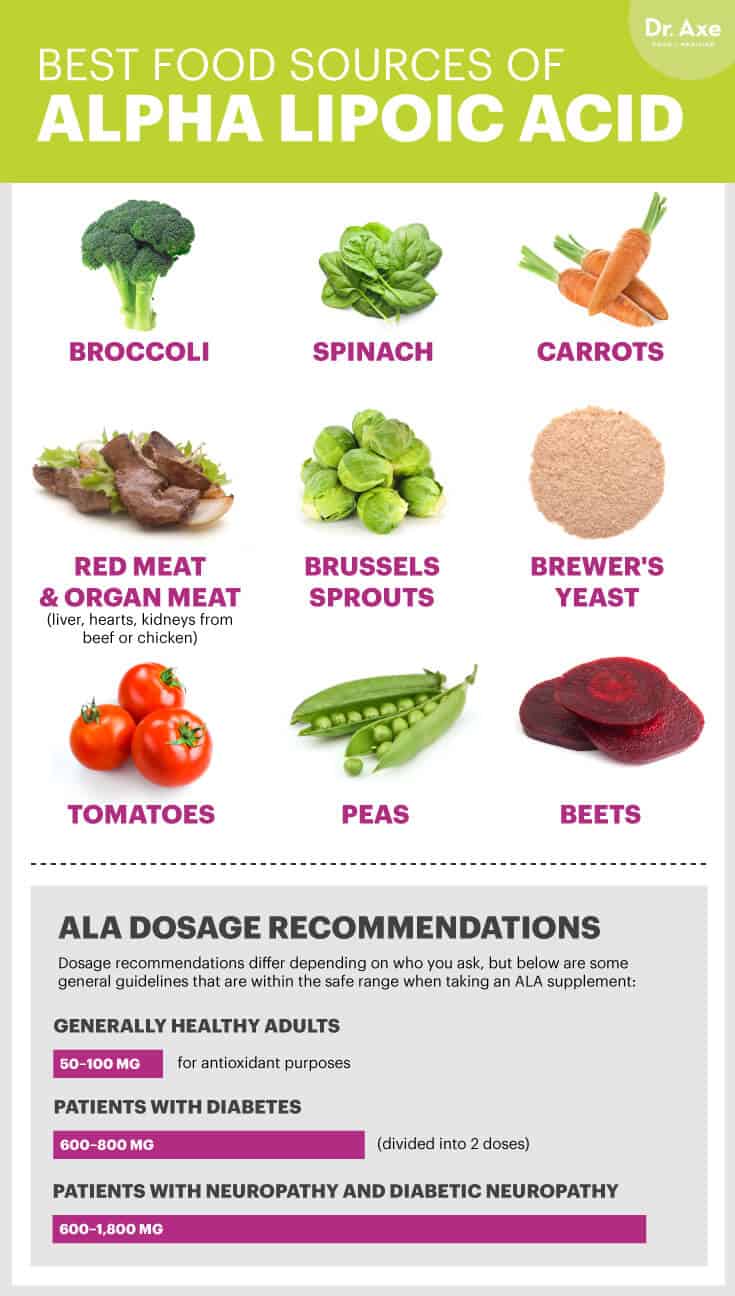
Here are some of the best food sources of alpha lipoic acid (9):
Broccoli
Spinach
Red meat
Organ meat (sch as liver, hearts, kidneys from beef or chicken)
Brussel sprouts
Tomatoes
Peas
Brewer’s yeast
Beets
Carrots 


Alpha Lipoic Acid Dosage Recommendations

If you do choose to take ALA supplements, keep in mind that taking more won’t always offer better results. While side effects and risks of taking more seem to be very rare (considering it’s a natural chemical found in the body at all times), as little as 20–50 milligrams per day seems to be beneficial for general preventative health. Larger doses up to 600–800 milligrams per day are sometimes used in patients with diabetes or cognitive disorders but not recommended for the general public.

Dosage recommendations differ depending on who you ask, but below are some general guidelines that are within the safe range:
50–100 milligrams for antioxidant purposes in generally healthy adults
600–800 milligrams for patients with diabetes (divided into two doses, usually tablets are 30–50 milligrams each)
600–1,800 milligrams for patients with neuropathy and diabetic neuropathy (dosages this high should only be taken with supervision from a doctor)

According to researchers from Oregon State University, the amounts of lipoic acid available in dietary supplements (ranging in dosage from 200–600 milligrams) can be as much as 1,000 times greater than the amounts that could be obtained through someone’s diet alone! Taking ALA supplements with a meal is believed to decrease its bioavailability, so most experts recommend taking it on an empty stomach (or at least one hour before or after) for the best results.


Possible Side Effects and Interactions of ALA

Alpha lipoic acid supplements haven’t been studied in children or women who are pregnant or breastfeeding, so right now it’s intended for use in adults only. Side effects of ALA in supplement form are generally rare but for some people can include: insomnia, fatigue, diarrhea, skin rash or low blood sugar levels (especially in people with diabetes or low blood sugar who are taking medications).

Some potential interactions, or circumstances where you want to speak to your doctor before taking extra alpha lipoic supplements, include:
if you have a thiamine deficiency (vitamin B1), which is associated with liver disease/alcohol abuse
if you’re taking any medications for diabetes for insulin control, since this can raise the risk for hypoglycemia and low blood sugar
if you’re recovering from chemotherapy treatment or taking cancer medications
if you have a history of a thyroid disorder

http://www.truemuscle.com/alpha-lipoic-acid-300mg