Showing posts with label by. Show all posts

Friday, 26 May 2017

TAILORED ACTIVITY COACHING BY SMARTPHONE


Today's smartphone user can obtain a lot of data about his or her health, thanks to built-in or separate sensors. Researcher Harm op den Akker of the University of Twente (CTIT Institute) now takes this health monitoring to a higher level. Using the system he developed, the smartphone also acts as an 'activity coach': it advices the user to walk or take a rest. In what way the user wants to be addressed, is typically something the system learns by itself. Op den Akker conducted his research at Roessingh Research and Development in Enschede. October 17, he defends his PhD-thesis
The new telemedicine system was tested for three months, among a group of COPD patients -- a chronic lung disease. For these patients, physical activity is very important but it can also lead to an oppressed feeling and thus, to over-cautiousness. Using the coaching system of Van den Akker, the patients carry a small movement sensor and a smartphone. The system calculates if it is advisable to take a rest or, on the other hand, have a walk. The system is 'context aware': it looks at the time of day, the weather, the surroundings of the patient and determines if the time is right for taking some exercise.
Tone of voice
In addition, the system knows how the patient wants to be addressed. Some people don't mind an imperative tone of voice 'go for a 10 minutes' walk', others prefer a more friendly advice: 'what if you would take a walk in the park?' Op den Akker designed learning algorithms for this: the system learns the preferences of the user by itself. Future versions of the system may not use text messages anymore, but an 'avatar' on the screen, enabling interaction with the user as well. For this, Op den Akker has started starting cooperation with the Human Media Interaction group of the University of Twente.
Roessingh Research & Development (RRD) is the research department of Roessingh rehabilitation centre in Enschede, The Netherlands. RRD closely cooperates with the University of Twente in many projects. Op den Akker conducted his research at RRD and UT's CTIT Institute, under supervision of Hermie Hermens, Professor in Neuromuscular Control and Telemedicine. A spin-off company of the university, Inertia Technology, developed the movement sensor used in this project.
Op den Akker's PhD-thesis is titled 'Smart tailoring of real-time physical activity coaching systems'


Tuesday, 28 February 2017

Depression Caused by Neuropathic Pain


Today's post is the second in a week-long series from 4therapy.com (see link below). It talks about how chronic pain (pain lasting longer than a few weeks)conditions can cause depression and therefore affect all areas of your life. It's advisable to seek help if this happens and not attempt to bottle it up inside, because the spiral of pain and depression can be helped by the right doctors and sensible advice.

Unemployment, Chronic Pain and Depression Can Be Inextricably Connected

A high percentage of individuals develop a depressive illness within six months of becoming unemployed. In fact, after relationship difficulties, unemployment is the most likely thing to push someone into a bad depression. This isn’t surprising, since work is often a significant source of an individual’s sense of worth and self-esteem. When you lose your job you risk going from a position of feeling in control to facing an uncertain future and suffering from an eroded sense of self-confidence--especially if it takes a long time to find another job.

Frequently, depression first shows up in physical symptoms, such as headaches, gastrointestinal distress, and sexual dysfunction. When you're suffering from depression, you and others close to you may notice some of the following changes in your overall affect:

You’re more irritable than usual and may lash out at those who try to offer help;

You’re worrying--even obsessing--about things more than usual;

You're unusually quiet and seem unable to share what's bothering you;

You're sluggish, fatigued, and lack your usual interest in things you usually enjoy.

When you’re in the throes of depression, the shift from your usual way of acting and feeling can make it harder to get another job, putting into play a cycle of defeat and despair that makes your depression deepen. Instead of getting help for their symptoms of depression, too many too frequently try to make themselves feel better by "self medicating" with alcohol or drugs. This clearly makes things worse.

Depression is a serious medical condition that affects your body, mood, and thoughts. Like any illness, depression requires treatment—the sooner the better. While it may take courage to reach out and ask for help, seeking professional treatment will bring the relief you deserve and that you need to get your life headed in a positive direction.

http://www.4therapy.com/life-topics/chronic-pain/unemployment-chronic-pain-and-depression-can-be-inextricably-connected-2853

Tuesday, 24 January 2017

Finding Possible Neuropathy Treatments By Examining The Spinal Cord


Today's post from sites.utoronto.ca (see link below) is a complex one for the lay reader but maybe you should give it a go anyway, even if you don't understand everything it says. The point is that it gives us as patients, an insight into how scientists are looking into our problems and trying to come up with solutions. It's like peeking through the keyhole and learning something new about what may be coming in the future, something which in itself can make us feel better about our condition because at least we know something is being done! Basically, the scientists here placed electrodes on the spinal cord at different places and measured the electronic activity of the nerve cells simultaneously. In this way they were able to identify where things were breaking down and could block nerve signals if they were causing pain. It's much more complex than this simplistic explanation of course but the potential for future treatments at source, using this sort of intervention, is enormous. Remember as long as you get a vague picture in your mind of what's going on, you're increasing your understanding of neuropathy at the same time.


Different Mechanisms of Spinal Cord Neuron Disinhibition in Neuropathic Pain Models Require Different Therapeutic Interventions
Posted on 18-09-2015 
 
Exciting new research from Dr. Steven Prescott’s lab is working to bridge the gap between basic research on neuropathic pain etiology to possible clinical interventions to treat neuropathic pain. Dr. Steven Prescott is a UTCSP member and scientist at the Hospital for Sick Children. In this paper, lead author Dr. Kwan Lee uses a unique method to measure intact spinal cord neurons from alive, anaesthetized animals, overcoming disadvantages of ex-vivo methodologies. To do this, Dr. Lee placed an array of 16 recording electrodes into the superficial spinal cord, and was able to record the electrical activity of 16 neurons simultaneously.

Using this method, Dr. Lee found that two competing mechanisms of disinhibition (blockade of inhibition that yields net neuronal excitation) of these neurons yielded almost indistinguishable phenotypes, but were differentially sensitive to different pharmacological treatments. First, he blocked the potassium chloride co-transporter KCC2 using DIOA, which leads to a dysregulation of chloride in inhibitory neurons, and thus disinhibition. This resulted in allodynia in the animal, or an increase in response to a previously innocuous brush stimulus. Using the drug ACTZ, he was able to compensate for chloride dysregulation, and restore inhibition, bringing responses to brush stimulus back down to baseline.

Then, when Dr. Lee initiated disinhibition through blockade of GABAA receptors, again yielding increased neuronal responses to brush stimulus, ACTZ was not able to reduce these aberrant neuronal responses to previously innocuous brush stimuli. This indicates that two different forms of disinhibition that lead to the same measurable phenotype of neuropathic pain react differently to pharmacological interventions. This suggests that there should be a shift in the medical field to identifying biomarkers of neuropathic pain etiology or trying several potential treatments before selecting the specific therapeutic intervention for neuropathic pain patients, in order to best treat their symptoms.

To read this article, please visit: http://www.ncbi.nlm.nih.gov/pubmed/?term=26186265

Reference: Lee, KY, Prescott, SA. Chloride dysregulation and inhibitory receptor blockade yield equivalent disinhibition of spinal neurons yet are differentially reversed by carbonic anhydrase blockade. Pain. July, 2015.

http://sites.utoronto.ca/pain/research/articles/684.html

Wednesday, 11 January 2017

Life Destroyed by Neuropathy


Monday's Tale

Okay, if you also wonder about this one...how can so much tragedy drop on one person's head...and then think...'only in America' and finally feel so uncomfortable that you come to the conclusion that...'it just can't be true'...visit the webpage and read the comments on this post from other people with similar stories (see link below the post). I'm just grateful I live in a country where I don't have to worry about the cost of my health, or having a roof over my head!


Life Destroyed by Neuropathy
Ed's story

In February of 2004 I was diagnosed with Chronic Inflammatory Demyelinating Polyneuropathy (CIDP), as well as severe Type II Diabetes. To cope with the extreme chronic pain I was put on powerful narcotics but as time went on my body became acclimated to the drugs and I had to take higher doses or ever more powerful narcotics. Ultimately I was taking large doses of morphine 3 times a day. In a drug induced fog, unable to think clearly, I helplessly watched as the business I worked so hard to build began to crumble around me. Within 3 years everything was gone and my medical bills were enormous. By August of 2007 I was destitute and had no income, assets, investments or savings left. With mounting unpaid bills, I received an eviction notice in December of 2007. That was when I fell down the front steps of my house, injuring my back, and became immobilized for several months. My weight plunged by 40 pounds in only 2 months. I was emaciated and so frail that I couldn’t even walk.

In February of 2008, two weeks before I was to be evicted from my home, my closest friends and my sister gathered at my house. They packed what little of my belongings they could and moved me to Charleston SC to live with my sister. She immediately arranged an appointment with a new doctor in Charleston. He took me off the narcotics since so many of the sensory nerves in my legs (the initial source of my pain) had already been destroyed that I could take a new drug called Lyrica to help control the remaining pain. In order to be effective though, I have to take 3 times the recommended dosage. Because of this I suffer from many enhanced side effects of the drug, in addition to the disease. Besides the chronic pain, I am bedeviled with memory loss, an inability to concentrate, dizziness, balance problems, chronic somnolence, chronic fatigue, chronic weakness and insomnia.

The loss of sensation in my feet allowed a small blister on my foot to go undetected. It became infected, causing massive blood poisoning in my leg. I was put in the hospital for 3 days in October 2008 where I received constant IVs of antibiotics. The wound itself failed to heal and I struggled with it for over a year. I now have almost no feeling below the waist, except for the constant pain. The loss of sensation has caused additional problems with bladder control, bowel movements and impotence.

Since late October 2009 I have had three major attacks from the CIDP that portend serious complications in the immediate future. The first attack landed me in the ER for fear of having a heart attack, the second occurred in late November in the middle of a doctor’s appointment where it was also feared I might be having a heart attack and the third attack occurred just a few days ago here at home. Each event has been more severe than the previous and the effects have been longer lasting, covering increasingly more areas of my body. The disease has now spread to my arms, hands, shoulders, neck, chest and middle back, causing me once again to need narcotics to control the pain. The disease has also begun to affect my motor nerves, causing severe muscle weakness and lack of fine motor control, most evident on the left side of my body and in particular in my left hand where the muscles are atrophying and I no longer have the strength or ability to grip a fork or knife in it. As such, I have to have someone cut up my steaks or other meats for me.

In June of 2009, my sister faced eviction possible herself and I had no place to go. Fortunately a friend offered me a spare room in his home. He and his wife have been supporting me entirely since then, paying for my food, other medications etc. He is disabled himself and his wife doesn’t earn very much in her job. The additional cost of food, the increased electricity cost, the cost of my medications, and the cost of the supplies to monitor my diabetes and give myself injections are a huge drain on their own finances.

I cannot afford the medications required to treat my illnesses. It is only because of the generosity of my friends, the low prescription prices at Wal-Mart, and the benevolence of Pfizer and its Connection to Care program that I am able to obtain them. My doctor also provides me with free samples of the insulin I need to treat my diabetes. Without the help from my doctor and Pfizer, those two drugs alone would cost over $900 a month.

I applied for Social Security disability benefits through the law offices of Binder & Binder in March of 2008. Both my initial application and appeal were rejected by the SSA and my lawyers requested a hearing before an Administrative Law Judge. I was told that the judge reviewed my case and “informally” remanded the case back to the SSA for reconsideration. The SSA again rejected the application, sending it back to the judge. I finally had the hearing about 2 weeks ago but the judge has not rendered a decision and instead has ordered a Consulting Examination before he does so. I do not have a date yet for that exam.

The SSA claimed that I was not disabled at any time in 2008. How they came to this conclusion, given I was flat on my back for the first several months of 2008, is beyond me. If anything, it was probably due to the fact that my first doctor in Charleston was a very young intern who lacked the depth and breadth of experience to understand and properly treat my condition. After seeing this intern for a year, I switched to a much older and more experienced doctor that specializes in conditions like mine. This doctor was excellent and could fully appreciate my condition. Since moving in June of 2009, I had to begin seeing another new doctor. He was recommended by the second doctor and appears to be equally qualified to properly assess my condition.

I appear fine on the outside, with little visible impairment other than needing a cane for balance and the inability to walk very far. On the inside my body is ravaged by the disease and racked with pain. Being burdened with over overwhelming debt, unable even to afford to file for bankruptcy, barraged by calls and letters from collection agencies and lawyers, and the loss of everyone and everything I knew prior to moving to Charleston, has devastated me mentally and emotionally. I have suffered from acute major depression since the earliest days of my illness. The depression has left me in an inescapable sea of darkness in which I confine myself to my one small room, wishing the world would just leave me alone.

I am terrified that the judge might reject my application for benefits. There is no help out there for someone like me, a single, white, 51 year old man. There is nowhere else to turn. I am destitute, seriously ill and alone. What will happen to me? Will I end up out on the street, one of the homeless, only to die from the very illness that the SSA said was not disabling enough? As much as I fear rejection of my application, I cannot continue to rely on the kindness of my friends to support me.

Regardless of the outcome, a conclusive decision on my case must be made. I am just incredibly fearful of that decision and think I would rather cease all medical care, thus encouraging the end that is to come, than to have to live without disability benefits.

http://www.facebook.com/topic.php?uid=240536870951&topic=13855

Thursday, 22 December 2016

Digestive Problems Caused By Autonomic Neuropathy


Today's post from dressamed.com (see link below) is another article by well-known neuropathy expert, Dr. John Hayes Jr. This time he talks about the relationship between digestive problems and autonomic neuropathy (you know, the one where your involuntary functions are affected by nerve damage). He focusses on the results of stomach surgery which may lead to nerve damage but in fact, autonomic neuropathy affecting your digestive system can arise irrespective of the cause. It's a useful article because many of us do have digestive problems, especially as we get older - these may result in weight gain, or weight loss, or general discomfort but identifying the culprit is a nightmare. If you already have neuropathy, you may well suggest to your doctor that he consider autonomic neuropathy: there's a good chance that nerve damage may be the cause of your symptoms.

Could Your Digestive Problems Be Caused by Autonomic Neuropathy? 
Posted on May 11, 2016 Posted in Staff Pick by Staff Pick

So you finally bit the bullet and had gastric bypass surgery…

Or maybe you opted for the lap band…

Everything went really well with the surgery and now you’re back home and on your way to your new life and brand new you.

You started to lose weight almost immediately and you couldn’t be happier with the results.

You knew you’d have some side effects[1] but you really didn’t expect anything you couldn’t handle.
But you never expected:


Heartburn
Bloating
Nausea and/or vomiting
Difficulty in swallowing because your esophagus no longer functions properly
Inability to empty your stomach
Diarrhea
Constipation

None of these digestive problems are pleasant. And what’s even worse is that they can last from days to weeks on end.

You knew you needed to take off the weight but it’s beginning to feel like it might not have been worth it.

They warned you about possible side effects but one they may not have mentioned what could be causing one or several of your symptoms.

Your problems could be a result of Gastrointestinal or G.I. Autonomic Neuropathy.


Exactly What Does That Mean?

It means that your body is suffering from nutritional deficiencies caused by the lack of certain nutrients and vitamins. The bypass surgery or lap band procedure may have stopped your body from taking in too much food, but it also substantially reduced the amount of nutrients and vitamins you’re getting from your food.

You no longer take in enough food with the nutrition your body needs[2]. When that happens, the body begins to break down. One of the many issues you can develop due to what is basically malnutrition is G.I. Autonomic Neuropathy. The nerves; specifically the vagus nerve, is damaged by the lack of nutrition and it begins to malfunction. That means difficulty in digesting food, difficulty in swallowing, and inability to eliminate waste properly…

Basically an inability of the digestive system to do anything it was designed to do.

Before the advent of gastric bypass surgery and lap band procedures, most people who developed G.I. Autonomic neuropathy or other types of neuropathy were diabetics, alcoholics or they live in countries where malnutrition was common.

Now gastric bypass surgery has brought on a whole new subset of patients who suffer from G.I. Autonomic Neuropathy.


The Nutrients You Probably Lack

G.I. Autonomic Neuropathy is usually caused by deficiencies in:
Vitamin B1 or Thiamine
Vitamin B3
Vitamin B6
Vitamin B12
Vitamin E
Many of the symptoms caused by your G.I. Autonomic Neuropathy can be lessened and possibly even controlled by a healthy diet and management of whatever underlying condition you have that could be contributing to your neuropathy.


What If You’re Not a Gastric Bypass Patient But You Have These Symptoms


What if you haven’t had gastric bypass or lap band surgery but you still have the symptoms we talked about above? If you have
A history of alcohol abuse
Hepatitis C
Crohn’s Disease
Celiac Disease

And you’re having the problems we discussed above contact your doctor immediately. Ask him to test to make sure that you are indeed suffering from nerve damage that could be linked to any of these causes. Once that diagnosis has been made, ask them about treatment options.


Treatment Options

A highly skilled medical professional well versed in diagnosing and treating nerve damage is your best place to start for treatment of your G.I. Autonomic Neuropathy. An excellent place to start is with a neuropathy clinician. They have had great success in treating patients with your symptoms using a multipronged approach that includes:


Care and correction for your muscular and skeletal systems
Treatment for any underlying medical problems
Nutrition education and diet planning
A step by step exercise regimen
Medication as needed or necessary

If you have a confirmed diagnosis of Gastrointestinal Autonomic Neuropathy or think you may have it, you don’t have to just live with it. In fact, just living with it could be downright dangerous due to intestinal blockages, continued malnutrition, etc. You may also contact us today for information on how G.I. Autonomic Neuropathy can be treated, your suffering lessened and exactly how to find a neuropathy clinician in your area.

References:

[1] http://www.mayoclinic.com/health/autonomic-neuropathy/DS00544/DSECTION=symptoms

[2] http://www.altmd.com/Articles/Nutrition-for-Neuropathy

About The Author


Dr. John Hayes, Jr. is an Evvy Award Nominee and author of “Living and Practicing by Design” and “Beating Neuropathy-Taking Misery to Miracles in Just 5 Weeks!”. His work on peripheral neuropathy has expanded the specialty of effective neuropathy treatments to physicians, physical therapists and nurses. A free Ebook, CD and information packet on his unique services and trainings can be obtained by registering your information at neuropathydr.com. To book interviews and speaking engagements call 781-754-0599.
 

https://www.dressamed.com/root/could-your-digestive-problems-be-caused-by-autonomic-neuropathy/

Tuesday, 20 December 2016

Pregnancy By Month


Pregnancy Trimesters By Weeks And Months

Pregnancy Trimesters By Weeks And Months


Printables, coloring pages, recipes, crafts, and more from your child's favorite Nickelodeon and Nick Jr. shows..Medical news and health news headlines posted throughout the day, every day.TODAY Parents is the premiere destination for parenting news, advice community. Find the latest parenting trends and tips for your kids and family on TODAY.com..Pill nowadays is the most popular pregnancy termination option. Medical Pill - is a method of in early pregnancy 6-7 weeks .Do you really need to eat twice as much food dirung your pregnancy? Of course not! In fact, maintaining a healthy, balancedt is of utmost importance .


Kate Middleton Pregnant

Kate Middleton Pregnant

Baby At 7 Months Pregnant

Baby At 7 Months Pregnant


TODAY Parents is the premiere destination for parenting news, advice community. Find the latest parenting trends and tips for your kids and family on TODAY.com..Medical news and health news headlines posted throughout the day, every day.Pill nowadays is the most popular pregnancy termination option. Medical Pill - is a method of in early pregnancy 6-7 weeks . Do you really need to eat twice as much food dirung your pregnancy? Of course not! In fact, maintaining a healthy, balancedt is of utmost importance .Printables, coloring pages, recipes, crafts, and more from your child's favorite Nickelodeon and Nick Jr. shows..


Wednesday, 7 December 2016

Giveaway Monday – Cottonwood Pendant by Mulberry Mudd


Giveaway Monday – Cottonwood Pendant by Mulberry Mudd


Oh my oh my.... so beautiful. What a lovely tribute to a very special tree..

Thursday, 24 November 2016

Cool Sciatica treatment by ramdev baba


In that offer many folks will probably enable go for a advantageous benchmark according to searching for with present-day reports Sciatica treatment by ramdev baba potential for discussion like a large amount of all those for that reason, so, who search out the technology. with referrals Obtaining most of us work with many yahoo and google listed here are photos which have been tightly related to Sciatica treatment by ramdev baba .

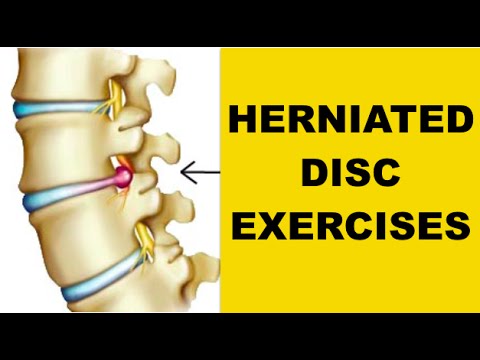
 com yoga for childrens by swami ramdev ji rashmi ramdev remedies Baba Ramdev Yoga For Lower Back Pain In Hindi BACK PAIN , HEALTH EDUCATION , INFECTION CONTROL (ICSP) , URDU / HINDI  For Back Pain - 30 Minute Back Pain, & Sciatica Relief For Beginners Yoga for Back Pain - Heal Back and Neck Pain Treatment Doovi Best Exercises for Herniated Disc in Back (BEAT SCIATIC NERVE PAIN)

Pictured earlier mentioned it is possible to down load and also help save the application inside the home pc storage device ın order that any time you require it is exclusively levied quite simply. Sciatica treatment by ramdev baba is definitely the key element for everyone who likes to related topics. Hence most people had a move to build up the feedback with regard to the advantage of the site visitors. Lesemarke some of our web-site the fact that will allow you to obtain alot more articles and reviews related to the keywords

Sciatica treatment by ramdev baba - to aid produce the interest individuals website visitors can also be pretty pleased for making this site. improving the quality of the article can we all test a later date so you can in fact appreciate when encountering this blog post. In conclusion, this isn't a small number of sayings that needs to be made to convince most people. but due to the limitations of language, you can merely found your Sciatica treatment by ramdev baba dialogue upward right here


Sunday, 21 August 2016

PROSTATE CANCER RISK REDUCED BY SLEEPING WITH MANY WOMEN BUT NOT INCREASED WITH MANY MEN


Compared to men who have had only one partner during their lifetime, having sex with more than 20 women is associated with a 28% lower risk of one day being diagnosed with prostate cancer, according to researchers at the University of Montreal and INRS -- Institut Armand-Frappier. However, having more than 20 male partners in one's lifetime is associated with a twofold higher risk of getting prostate cancer compared to those who have never slept with a man
Marie-Elise Parent and Marie-Claude Rousseau, professors at university's School of Public Health, and their colleague Andrea Spence, published their findings in the journal Cancer Epidemiology. The results were obtained as part of the Montreal study PROtEuS (Prostate Cancer & Environment Study), in which 3,208 men responded to a questionnaire on, amongst other things, their sex lives. Of these men, 1,590 were diagnosed with prostate cancer between September 2005 and August 2009, while 1,618 men were part of the control group.
Risk associated with number of partners 
Overall, men with prostate cancer were twice as likely as others to have a relative with cancer. However, evidence suggests that the number of sexual partners affects the development of the cancer.
Consequently, men who said they had never had sexual intercourse were almost twice as likely to be diagnosed with prostate cancer as those who said they had. When a man has slept with more than 20 women during his lifetime there is a 28% reduction in the risk of having prostate cancer (all types), and a 19% reduction for aggressive types of cancer. "It is possible that having many female sexual partners results in a higher frequency of ejaculations, whose protective effect against prostate cancer has been previously observed in cohort studies," Parent explained.
According to some studies, the underlying mechanism of this protective effect is in reducing the concentration of cancer-causing substances in prostatic fluid or lowering the production of intraluminal crystalloids. It should be noted that for all participants, the age at which they first had sexual intercourse or the number of sexually transmitted infections (STIs) they had contracted did not affect the risk of prostate cancer. Moreover, only 12% of all participants reported having had at least one STI in their lifetime, which is few.
Male partners and increased risk 

The data indicate that having only one male partner does not affect the risk of prostate cancer compared to those who have never had sexual intercourse with a man. On the other hand, those who have slept with more than 20 men are twice as likely to be diagnosed with prostate cancer of all types compared to those who have never slept with a man. And their risk of having a less aggressive prostate cancer increases by 500% compared to those who have had only one male partner.
Parent and her team can only formulate "highly speculative" hypotheses to explain this association. "It could come from greater exposure to STIs, or it could be that anal intercourse produces physical trauma to the prostate," Parent said.
Avenues for further research 
Parent, Rousseau, and Spence are specialists in prostate cancer and are the first research team to suggest that the number of female partners is inversely associated with the risk of developing cancer.
"We were fortunate to have participants from Montreal who were comfortable talking about their sexuality, no matter what sexual experiences they have had, and this openness would probably not have been the same 20 or 30 years ago," Parent explained. "Indeed, thanks to them, we now know that the number and type of partners must be taken into account to better understand the causes of prostate cancer." Does this mean public health authorities will soon be recommending men to sleep with many women in their lives? "We're not there yet," Parent said.


Friday, 8 July 2016

Pregnancy Weight Gain By Week


Pregnancy Weight Gain At 13 Weeks

Pregnancy Weight Gain At 13 Weeks


Use our pregnancy weight gain calculator to estimate how much weight you should gain during pregnancy and find your target Week by Week Pregnancy Weight Gain Tracker.Weight Gain During Pregnancy. In May 2009, The Institute of Medicine IOM made changes to the guidelines concerning pregnancy weight gain. The last recommendations .BabyMed Pregnancy Weight Gain Calculator By Week. Search other BabyMed tools including medical obstetric calculators, historical event directories, daily horoscopes .Weight Gain During Pregnancy; in the first twelve weeks of pregnancy. Try not to gain any more than one the weight you gain during pregnancy is the .Weight Gain Chart. A well-nourished, healthy woman can expect to gain between pounds during her nine months. An approximate breakdown of pregnancy weight .Pregnancy Weight Gain Calculator. The Pregnancy Weight Gain Calculator will recommend the ideal weight range for your pregnancy based on your height and weight before .I know you're intoxicated with happiness about having a baby, but do not forget to keep a tab on your week by week gain amidst all that joy. For, if you gain excess .Pregnancy week by week. Print. Sections. Basics. Healthy Although a certain amount of pregnancy weight gain is recommended for women who are overweight or obese .How many pounds should you pack on during pregnancy? WebMD explains how much weight to gain, what to eat, where the weight goes, and what to avoid to make sure you .Pregnancy weight gain tracker If you tell us your week of pregnancy and current weight, we'll also show you if you're on track for ending up at a healthy weight..


Pregnancy Weight Gain At 13 Weeks

Pregnancy Weight Gain At 13 Weeks

Aishwarya Rai Weight Gain

Aishwarya Rai Weight Gain


Tuesday, 14 June 2016

BOWEL CANCER RISK REDUCED BY ADOPTING MULTIPLE HEALTHY BEHAVIORS


Adoption of a combination of five key healthy behaviors is associated with a reduction in the risk of developing bowel cancer. Researchers from the German Institute of Human Nutrition Potsdam-Rehbruecke quantified the impact of combined multiple healthy lifestyle behaviors on the risk of developing bowel cancer, and found that this impact is stronger in men than in women.

Lead author, Krasimira Aleksandrova, says: "These data provide additional incentive to individuals, medical professionals and public health authorities to invest in healthy lifestyle initiatives. Each person can contribute a lot to avoid cancer, the more healthy lifestyle changes, the better."
Bowel cancer, also called colorectal cancer, is the second most common cancer in men and the third most common cancer in women worldwide, with 55% cases occurring in developed regions such as North America and Western Europe. Previous studies have identified links between the cancer frequency rates and western lifestyles. However, most research has focused on isolated lifestyle behaviors, such as eating red meat, while little is known about the combined impact of lifestyle factors beyond their individual effects.
The research published in the open access journal BMC Medicine analyzed the data of 347,237 men and women from 10 countries from the European Prospective Investigation into Cancer and Nutrition (EPIC) cohort study using a healthy lifestyle index. Over the 12-year study period, 3,759 cases of bowel cancer were recorded.
The healthy lifestyle index was composed by the following lifestyle factors: a healthy weight; low abdominal fat; participating in regular physical activity; not smoking and limiting alcohol; and a diet high in fruits, vegetables, fish, yoghurt, nuts and seeds, and foods rich in fiber, and low amounts of red and processed meat. For each of the five behaviors, study subjects were assigned one point for having the healthy factor and zero for not having the healthy factor. These points were then summed to generate a cumulative score for each participant.
Krasimira Aleksandrova, says: "Our data confirmed that with an increasing number of healthy lifestyle behaviors the risk that a person will have of developing bowel cancer decreases."
The researchers found that the more healthy lifestyle factors the cohort adopted, the lower their risk of bowel cancer. Compared to people who had followed up to one healthy lifestyle behavior, those who practiced a combination of two, three, four and all the five healthy behaviors had a 13%, 21%, 34% and 37% lower risk of developing bowel cancer, respectively. The authors noted a difference between men and women.
Krasimira Aleksandrova, says: "Estimates based on our study populations suggest that up to 22% of the cases in men and 11% of the cases in women would have been prevented if all five of the healthy lifestyle behaviors had been followed. Our results particularly demonstrate the potential for prevention in men who are at a higher risk of bowel cancer than women."