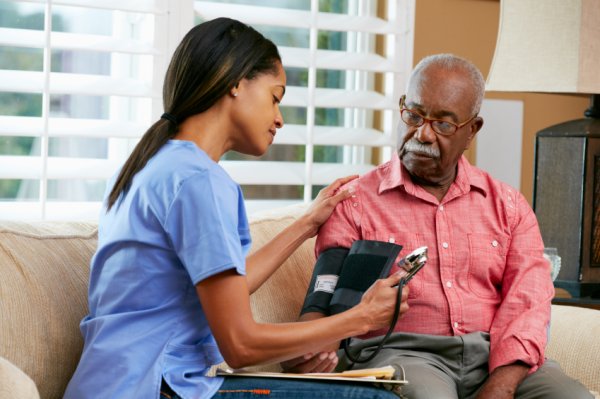
Low blood pressure (hypotension) would seem to be something to strive for. However, for many people, low blood pressure can cause symptoms of dizziness and fainting. In severe cases, low blood pressure can be life-threatening.
Although blood pressure varies from person to person, a blood pressure reading of 90 millimeters of mercury (mm Hg) or less systolic blood pressure (the top number in a blood pressure reading) or 60 mm Hg or less diastolic blood pressure (the bottom number) is generally considered low blood pressure.
The causes of low blood pressure can range from dehydration to serious medical or surgical disorders. Low blood pressure is treatable, but it's important to find out what's causing your condition so that it can be properly treated.
Causes--Blood pressure is a measurement of the pressure in your arteries during the active and resting phases of each heartbeat. Here's what the numbers mean:
Systolic pressure. The first (top) number in a blood pressure reading, this is the amount of pressure your heart generates when pumping blood through your arteries to the rest of your body.
Diastolic pressure. The second (bottom) number in a blood pressure reading, this refers to the amount of pressure in your arteries when your heart is at rest between beats.
Current guidelines identify normal blood pressure as lower than 120/80 mm Hg.
Although you can get an accurate blood pressure reading at any given time, blood pressure isn't always the same. It can vary considerably in a short amount of time — sometimes from one heartbeat to the next, depending on body position, breathing rhythm, stress level, physical condition, medications you take, what you eat and drink, and even time of day. Blood pressure is usually lowest at night and rises sharply on waking.
Blood pressure: How low can you go?
What's considered low blood pressure for you may be normal for someone else. Most doctors consider chronically low blood pressure too low only if it causes noticeable symptoms.
Some experts define low blood pressure as readings lower than 90 mm Hg systolic or 60 mm Hg diastolic — you need to have only one number in the low range for your blood pressure to be considered lower than normal. In other words, if your systolic pressure is a perfect 115, but your diastolic pressure is 50, you're considered to have lower than normal pressure.
A sudden fall in blood pressure also can be dangerous. A change of just 20 mm Hg — a drop from 110 systolic to 90 mm Hg systolic, for example — can cause dizziness and fainting when the brain fails to receive an adequate supply of blood.
And big plunges, especially those caused by uncontrolled bleeding, severe infections or allergic reactions, can be life-threatening.
Athletes and people who exercise regularly tend to have lower blood pressure and a slower heart rate than do people who aren't as fit. So, in general, do nonsmokers and people who eat a healthy diet and maintain a normal weight.
But in some rare instances, low blood pressure can be a sign of serious, even life-threatening disorders
Conditions that can cause low blood pressure
Some medical conditions can cause low blood pressure. These include:
Pregnancy. Because a woman's circulatory system expands rapidly during pregnancy, blood pressure is likely to drop. This is normal, and blood pressure usually returns to your pre-pregnancy level after you've given birth.
Heart problems. Some heart conditions that can lead to low blood pressure include extremely low heart rate (bradycardia), heart valve problems, heart attack and heart failure.
These conditions may cause low blood pressure because they prevent your body from being able to circulate enough blood.
Endocrine problems. Thyroid conditions — such as parathyroid disease — adrenal insufficiency (Addison's disease), low blood sugar (hypoglycemia) and, in some cases, diabetes can trigger low blood pressure.
Dehydration. When you become dehydrated, your body loses more water than it takes in. Even mild dehydration can cause weakness, dizziness and fatigue. Fever, vomiting, severe diarrhea, overuse of diuretics and strenuous exercise can all lead to dehydration
Far more serious is hypovolemic shock, a life-threatening complication of dehydration. It occurs when low blood volume causes a sudden drop in blood pressure and a reduction in the amount of oxygen reaching your tissues. If untreated, severe hypovolemic shock can cause death within a few minutes or hours.
Blood loss. Losing a lot of blood from a major injury or internal bleeding reduces the amount of blood in your body, leading to a severe drop in blood pressure.
Severe infection (septicemia). Septicemia can happen when an infection in the body enters the bloodstream. This condition can lead to a life-threatening drop in blood pressure called septic shock.
Severe allergic reaction (anaphylaxis). Anaphylaxis is a severe and potentially life-threatening allergic reaction. Common triggers of anaphylaxis include foods, certain medications, insect venoms and latex. Anaphylaxis can cause breathing problems, hives, itching, a swollen throat and a drop in blood pressure.
Lack of nutrients in your diet. A lack of the vitamins B-12 and folate can cause a condition in which your body doesn't produce enough red blood cells (anemia), causing low blood pressure.
Medications that can cause low blood pressure
Some medications you may take can also cause low blood pressure, including:
· Diuretics (water pills), such as furosemide (Lasix) and hydrochlorothiazide (Microzide, Oretic)
· Alpha blockers, such as prazosin (Minipress) and labetalol
· Beta blockers, such as atenolol (Tenormin), propranolol (Inderal, Innopran XL, others) and timolol
· Drugs for Parkinson's disease, such as pramipexole (Mirapex) or those containing levodopa
· Certain types of antidepressants (tricyclic antidepressants), including doxepin (Silenor), imipramine (Tofranil), protriptyline (Vivactil) and trimipramine (Surmontil)
· Sildenafil (Viagra) or tadalafil (Cialis), particularly in combination with the heart medication nitroglycerin
Types of low blood pressure
Doctors often break down low blood pressure (hypotension) into different categories, depending on the causes and other factors. Some types of low blood pressure include:
Low blood pressure on standing up (orthostatic, or postural, hypotension). This is a sudden drop in blood pressure when you stand up from a sitting position or if you stand up after lying down.
Ordinarily, gravity causes blood to pool in your legs whenever you stand. Your body compensates for this by increasing your heart rate and constricting blood vessels, thereby ensuring that enough blood returns to your brain.
But in people with orthostatic hypotension, this compensating mechanism fails and blood pressure falls, leading to symptoms of dizziness, lightheadedness, blurred vision and even fainting.
Orthostatic hypotension can occur for a variety of reasons, including dehydration, prolonged bed rest, pregnancy, diabetes, heart problems, burns, excessive heat, large varicose veins and certain neurological disorders.
A number of medications also can cause orthostatic hypotension, particularly drugs used to treat high blood pressure — diuretics, beta blockers, calcium channel blockers and angiotensin-converting enzyme (ACE) inhibitors — as well as antidepressants and drugs used to treat Parkinson's disease and erectile dysfunction.
Orthostatic hypotension is especially common in older adults, with as many as 20 percent of those older than age 65 experiencing orthostatic hypotension.
But orthostatic hypotension can also affect young, otherwise healthy people who stand up suddenly after sitting with their legs crossed for long periods or after working for a time in a squatting position.
Low blood pressure after eating (postprandial hypotension). Postprandial hypotension is a sudden drop in blood pressure after eating. It affects mostly older adults.
Just as gravity pulls blood to your feet when you stand, a large amount of blood flows to your digestive tract after you eat.
Ordinarily, your body counteracts this by increasing your heart rate and constricting certain blood vessels to help maintain normal blood pressure. But in some people these mechanisms fail, leading to dizziness, faintness and falls.
Postprandial hypotension is more likely to affect people with high blood pressure or autonomic nervous system disorders such as Parkinson's disease.
Lowering the dose of blood pressure drugs and eating small, low-carbohydrate meals may help reduce symptoms.
Low blood pressure from faulty brain signals (neurally mediated hypotension). This disorder causes blood pressure to drop after standing for long periods, leading to signs and symptoms such as dizziness, nausea and fainting.
Neurally mediated hypotension mostly affects young people, and it seems to occur because of a miscommunication between the heart and the brain.
When you stand for extended periods, your blood pressure falls as blood pools in your legs. Normally, your body then makes adjustments to normalize your blood pressure.
But in people with neurally mediated hypotension, nerves in the heart's left ventricle actually signal the brain that blood pressure is too high, rather than too low.
As a result, the brain lessens the heart rate, decreasing blood pressure even further. This causes more blood to pool in the legs and less blood to reach the brain, leading to lightheadedness and fainting.
Low blood pressure due to nervous system damage (multiple system atrophy with orthostatic hypotension). Also called Shy-Drager syndrome, this rare disorder causes progressive damage to the autonomic nervous system, which controls involuntary functions such as blood pressure, heart rate, breathing and digestion.
Although this condition can be associated with muscle tremors, slowed movement, problems with coordination and speech, and incontinence, its main characteristic is severe orthostatic hypotension in combination with very high blood pressure when lying down.
Symptoms--For some people, low blood pressure can signal an underlying problem, especially when it drops suddenly or is accompanied by signs and symptoms such as:
· Dizziness or lightheadedness
· Fainting (syncope)
· Lack of concentration
· Blurred vision
· Nausea
· Cold, clammy, pale skin
· Rapid, shallow breathing
· Fatigue
· Depression
· Thirst
Risk factors--Low blood pressure (hypotension) can occur in anyone, though certain types of low blood pressure are more common depending on your age or other factors:
Age. Drops in blood pressure on standing or after eating occur primarily in adults older than 65. Orthostatic, or postural, hypotension happens after standing up, while postprandial hypotension happens after eating a meal.
Neurally mediated hypotension happens as a result of a miscommunication between the brain and heart. It primarily affects children and younger adults.
Medications. People who take certain medications, such as high blood pressure medications like alpha blockers, have a greater risk of low blood pressure.
Certain diseases. Parkinson's disease, diabetes and some heart conditions put you at a greater risk of developing low blood pressure.
Complications--Even moderate forms of low blood pressure can cause not only dizziness and weakness but also fainting and a risk of injury from falls.
And severely low blood pressure from any cause can deprive your body of enough oxygen to carry out its normal functions, leading to damage to your heart and brain.
HOMOEOPATHIC REMEDIES
Homoeopathic remedies are effective for the treatment of low blood pressure .Some of the important remedies are given below-
GELSEMIUM 30- Gelsemium is an excellent medicine when dizziness, vertigo and dullness are marked. Drowsiness and a feeling of tiredness accompany the condition. Heaviness of head and eyelids is also present. Pulse is also slow. Gelsemium is also effective when blood pressure drops suddenly from emotional excitement. The emotional excitement may be triggered by any bad news, fright, sudden grief and other causes.
VISCUM ALBUM 30- Viscum Album is prescribed when persistent vertigo from low blood pressure is present. Pulse is small and weak. Aching and dull pain in the head also appears. These medicines improve the sluggish circulation and ensure complete recovery.
GLONOINE 30- Glonoine is very effective for low blood pressure after sun exposure. It is indicated when head heaviness, vertigo and fainting spells appear after sun exposure. Vertigo is marked in an upright position.
NATRUM MURIATICUM 30-- Natrum Mur is effective when headache, exhaustion with nausea and vomiting appear after being exposed to the sun for long hours. Blood pressure is lowered with a slow, weak pulse.
CACTUS GRANDIFLORUS 200- Cactus grandiflorus is an effective medicine for low blood pressure due to heart disease . Characteristic constriction as if an iron band around the heart is the guiding symptom for the selection of this remedy. Temperature is usually subnormal.
CARBO VEG AND CHINA 30—Carbo Veg and China are used for low blood pressure from dehydration. These medicines for low blood pressure are effective when severe diarrhea with dehydration is the cause. There is marked exhaustion with episodes of fainting. Blood pressure is low. The pulse is slow, weak and often imperceptible. The body is cold to touch with sweating. The person presents a picture of collapse
CHINA AND FERRUM METALLIUCUM 30-- China and Ferrum Met are effective for low blood pressure following blood loss. These are medicines that help in complete recovery from low blood pressure resulting from blood loss. The persons needing these medicines have low blood pressure with marked debility and exhaustion. Dizziness and vertigo are also complained of. Pulse is feeble, soft, weak, small and irregular. Marked anaemia is present in such persons.
CRATAEGUS OXY- Q- It is a great heart tonic and helps for maintain normal blood pressure.
BARYTA MUR 30--Baryta Mur is one of the effective medicines for low blood pressure when specifically diastolic pressure is lowered. Head heaviness and lassitude in the morning time are marked. Baryta Mur is of profound help in elderly people suffering from low blood pressure. Along with head heaviness, weakness in the legs is also complained of. Pulse is also slow and in a few persons is imperceptible when Baryta Mur is indicated.
KALI PHOS 200-Kali phos is used when low blood pressure occurs due to nervousness.
LYCOPODIUM CLAVATUM 200-Lycopodium is best for treating low blood pressure, especially in irritable persons possessing uric acid diathesis, with brownish patches on the skin. The patient have flatulent complaints, rumbling in abdomen which is more between 4 to 8 pm or early morning. Better from motion. The patient have a special craving for sweets and prefer warm drinks and food.
NAJA AND VISCUM ALBUM-- Naja and Viscum Album are used for low blood pressure when valve problems in heart are present. They are indicated for low blood pressure when the pulse is small, weak, irregular. Weight and oppression in the heart region is also complained of. Palpitations may also accompany.
SEPIA 200-Sepia is prescribed for hypotension when there is the presence of yellowish tint with dark circles under the eyes , liver spots etc are present. There is an empty all gone sensation in the epigastrium after lunch. The patient prefers sour things. There is pulsation through out the body. Mentally the patient is indifference to life and to loved ones.
TUBERCULINUM 200-Tuberculinum is used as an intercurrent remedy in persons who are wasting in health.